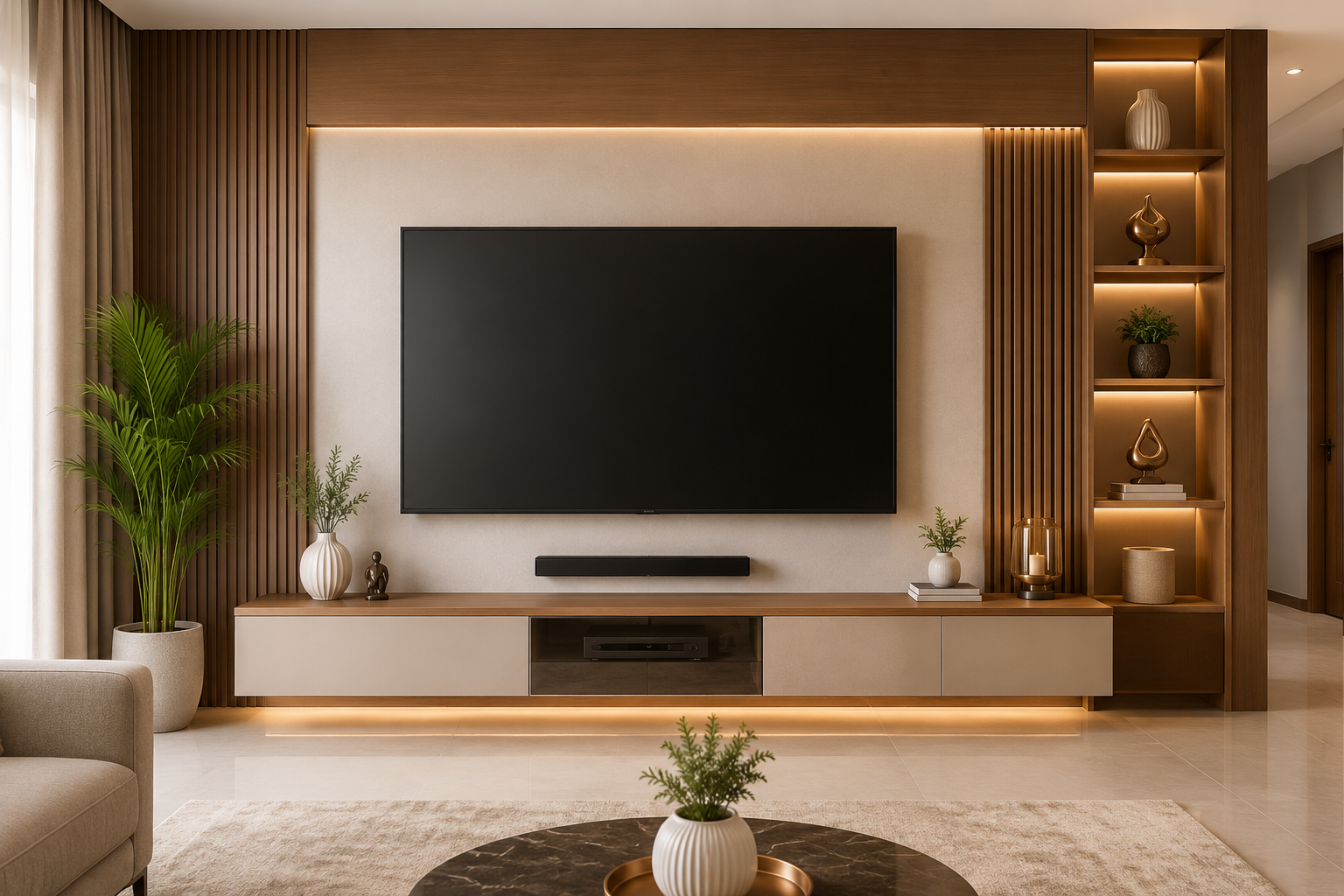
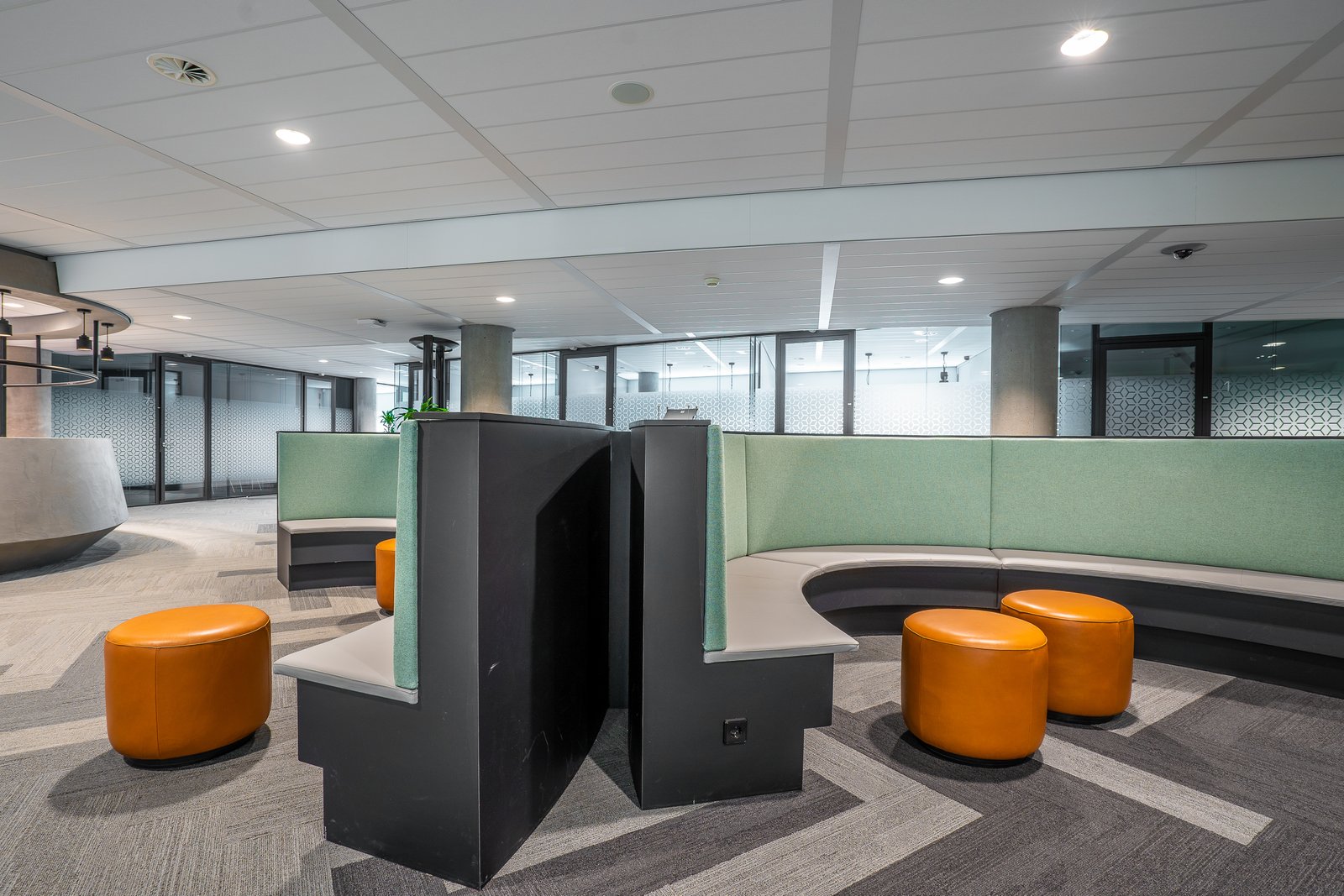
The modern business environment is evolving rapidly. Companies are no longer focusing solely on products and services; they are also investing in creating spaces that inspire employees and attract customers. Commercial interior design has become a critical element in achieving these objectives.
A well-designed commercial space creates a positive first impression, enhances functionality, supports brand identity, and improves operational efficiency. Businesses that prioritize interior design often gain a competitive advantage by offering better experiences to employees and customers alike.
For organizations seeking Commercial Interior Design in Vizag, understanding how design impacts business outcomes can help make informed decisions and maximize returns on investment.
Understanding Commercial Interior Design
Commercial interior design involves planning, designing, and optimizing spaces used for business purposes. Unlike residential interiors, commercial design focuses on functionality, productivity, customer engagement, safety, and brand representation.
Commercial spaces include:
- Corporate offices
- Retail stores
- Restaurants
- Hotels
- Hospitals
- Educational institutions
- Co-working spaces
- Shopping malls
- Banks
- Showrooms
Every design element is carefully selected to support the business's objectives while ensuring comfort and efficiency.
First Impressions Matter
Customers often form opinions about a business within seconds of entering a space.
A commercial interior serves as a silent ambassador for a brand. Clean, modern, and organized spaces immediately communicate professionalism and credibility.
Impact on Customers
When customers walk into an attractive commercial environment, they are more likely to:
- Trust the business
- Stay longer
- Engage with products or services
- Make purchasing decisions
- Recommend the business to others
An outdated or poorly maintained interior can create negative perceptions and discourage potential customers.
Reception Areas Set the Tone
Reception spaces are often the first point of contact.
A welcoming reception area should include:
- Comfortable seating
- Adequate lighting
- Professional décor
- Clear signage
- Organized layouts
The first impression can significantly influence customer confidence and overall experience.
Strengthening Brand Identity
Commercial interiors are an extension of a company's brand.
Every design choice can reinforce business values, culture, and personality.
Elements That Reflect Brand Identity
Color Schemes
Colors evoke emotions and influence perception.
Examples:
- Blue conveys trust and professionalism
- Green represents growth and sustainability
- Red creates energy and excitement
- Black signifies luxury and sophistication
Materials and Finishes
Premium materials can communicate quality and exclusivity, while eco-friendly materials emphasize sustainability.
Design Style
A technology company may prefer a modern, minimalist workspace, while a creative agency may embrace vibrant and collaborative environments.
Consistent branding throughout the interior helps customers connect with the company's mission and values.
Improving Employee Productivity
One of the most significant ways commercial interior design impacts business success is through employee productivity.
Employees spend a large portion of their day in the workplace. Their environment can directly affect motivation, concentration, and performance.
Better Workspace Design
Efficient layouts help employees:
- Move easily between departments
- Access resources quickly
- Collaborate effectively
- Minimize distractions
Thoughtful space planning improves workflow and operational efficiency.
Comfortable Furniture
Ergonomic furniture supports employee health and comfort.
Benefits include:
- Reduced physical strain
- Improved posture
- Increased focus
- Fewer workplace injuries
Investing in employee comfort often results in higher productivity and job satisfaction.
Enhancing Employee Well-Being
Workplace wellness has become a major priority for businesses.
Commercial interior design can support employee well-being through:
Natural Lighting
Access to daylight has been linked to:
- Improved mood
- Better sleep quality
- Increased productivity
- Reduced eye strain
Large windows and open layouts help maximize natural light.
Indoor Plants and Biophilic Design
Incorporating nature into workspaces creates calming environments.
Benefits include:
- Reduced stress
- Improved air quality
- Enhanced creativity
- Greater employee satisfaction
Relaxation Areas
Break rooms and wellness spaces provide opportunities for employees to recharge during the day.
A healthy work environment contributes to better performance and lower turnover rates.
Supporting Collaboration and Innovation
Modern businesses rely heavily on teamwork and innovation.
Commercial interiors can encourage collaboration through:
Open Workspaces
Open layouts make communication easier and foster teamwork.
Meeting Rooms
Dedicated collaboration zones support brainstorming sessions and strategic discussions.
Flexible Spaces
Multi-purpose areas can accommodate:
- Team meetings
- Workshops
- Training sessions
- Informal discussions
Flexible design solutions encourage creativity and innovation.
Improving Customer Experience
Customer experience is a critical factor in business success.
Commercial interior design influences how customers feel when interacting with a business.
Retail Environments
In retail spaces, design impacts:
- Customer flow
- Product visibility
- Purchase behavior
- Overall shopping experience
Strategic layouts help guide customers through stores while highlighting key products.
Restaurants and Hospitality
Interior design affects:
- Comfort
- Ambiance
- Customer satisfaction
- Repeat visits
Atmosphere plays a major role in shaping guest experiences.
Healthcare Facilities
In healthcare settings, calming interiors can reduce anxiety and improve patient comfort.
Every customer interaction is influenced by the surrounding environment.
Maximizing Space Utilization
Efficient use of space directly impacts operational effectiveness.
Poorly planned layouts often lead to:
- Wasted square footage
- Congestion
- Reduced productivity
- Customer frustration
Professional commercial interior design ensures that every area serves a purpose.
Smart Space Planning
Effective planning includes:
- Proper workstation placement
- Efficient storage solutions
- Clear traffic flow
- Functional zoning
Businesses can achieve more with the same amount of space through intelligent design strategies.
Increasing Customer Retention
Customers are more likely to return to spaces where they feel comfortable and valued.
An inviting environment encourages:
- Longer visits
- Positive experiences
- Brand loyalty
- Repeat purchases
Businesses that prioritize customer comfort often see higher retention rates.
Boosting Employee Retention
Workplace design also influences employee retention.
Employees prefer environments that offer:
- Comfort
- Flexibility
- Collaboration opportunities
- Wellness support
Modern workspaces help attract and retain top talent.
Recruiting and training new employees can be costly, making retention an important business objective.
Supporting Business Growth
As businesses expand, their physical spaces must adapt to changing needs.
Commercial interior design can support growth through:
Scalable Layouts
Flexible designs allow businesses to:
- Add new employees
- Introduce new departments
- Reconfigure workspaces
Future-Ready Infrastructure
Planning for future technology requirements ensures long-term functionality.
Growth-oriented design minimizes disruptions and renovation costs later.
Enhancing Safety and Compliance
Commercial interiors must meet safety standards and building regulations.
Professional design helps ensure compliance with:
- Fire safety regulations
- Accessibility requirements
- Building codes
- Workplace safety standards
Safe environments protect employees, customers, and businesses from potential liabilities.
Integrating Technology Seamlessly
Technology plays a vital role in modern commercial spaces.
Effective design incorporates:
- Smart lighting systems
- Video conferencing solutions
- Digital displays
- Automated controls
- High-speed connectivity
Technology integration improves efficiency and enhances user experiences.
Creating Competitive Advantage
In highly competitive markets, commercial interiors can help businesses stand out.
Unique and memorable spaces create stronger customer impressions and encourage engagement.
Companies with thoughtfully designed environments often enjoy:
- Greater brand recognition
- Increased customer loyalty
- Improved employee satisfaction
- Higher operational efficiency
Design becomes a strategic differentiator.
The Financial Impact of Commercial Interior Design
Many business owners view interior design as an expense. However, it should be considered an investment.
Potential returns include:
- Increased sales
- Higher productivity
- Better customer retention
- Reduced employee turnover
- Improved space efficiency
The long-term benefits often outweigh the initial design costs.
Return on Investment
Commercial interior design delivers value by:
- Improving business performance
- Supporting growth
- Enhancing brand image
- Increasing workplace efficiency
Well-designed spaces generate measurable business outcomes.
Sustainability and Business Success
Sustainable design practices are becoming increasingly important.
Eco-friendly commercial interiors can reduce operating costs through:
- Energy-efficient lighting
- Sustainable materials
- Water-saving fixtures
- Improved insulation
Sustainability also strengthens brand reputation among environmentally conscious customers.
Why Professional Commercial Interior Design Matters
Professional designers bring expertise in:
- Space planning
- Functionality
- Aesthetics
- Brand integration
- Building regulations
They understand how to create environments that balance visual appeal with business objectives.
Working with experienced professionals helps businesses avoid costly mistakes and achieve better results.
One example is Livincart, which focuses on creating functional and aesthetically appealing commercial environments that support productivity, customer engagement, and long-term business growth.
Commercial Interior Design Trends Shaping Businesses
Several trends are transforming commercial spaces today:
Hybrid Workspaces
Flexible offices accommodate both in-person and remote employees.
Wellness-Focused Design
Businesses are prioritizing employee health through wellness-centered environments.
Sustainable Materials
Environmentally friendly materials continue to gain popularity.
Smart Offices
Technology-driven workplaces improve efficiency and convenience.
Collaborative Spaces
Businesses are investing in environments that encourage teamwork and innovation.
Staying current with these trends helps organizations remain competitive.
Choosing the Right Commercial Interior Design Partner
Selecting the right design firm is essential for project success.
Consider factors such as:
- Industry experience
- Portfolio quality
- Design approach
- Client reviews
- Budget management
An experienced design partner can transform business goals into functional, inspiring environments.
Commercial interior design plays a crucial role in shaping business success. Beyond aesthetics, it influences employee productivity, customer satisfaction, brand perception, operational efficiency, and long-term profitability.
From creating memorable first impressions to supporting collaboration, innovation, and workplace wellness, every aspect of a commercial environment contributes to overall business performance. Well-designed spaces help organizations attract customers, retain employees, improve efficiency, and strengthen their competitive position.
As businesses continue to evolve, investing in Commercial Interior Design in Vizag is becoming increasingly important for organizations seeking sustainable growth and long-term success. A thoughtfully designed commercial space is not merely a place to work or conduct business—it is a strategic asset that drives performance and creates lasting value.